
Yoga and Mindfulness for Mental Health: What Does the Research Say?
Oct 01, 2026
Stressed. Anxious. Running on empty. If that sounds familiar, you're not alone, and you might be wondering whether yoga can help.
For thousands of years, yoga has been a spiritual practice. Its physical and mental health benefits were never the goal. Nonetheless, research that began in India now spans the world, and a growing body of emerging evidence suggests that yoga and mindfulness may ease symptoms of depression, anxiety and stress, with possible benefits for chronic pain, emotional regulation in children, and recovery from substance use.

In 2004, Dr Jean Byrne and Dr Rob Schutze visited Kaivalyadhama in Lonavla, India. Founded in 1924, it was one of the first institutes in the world to study yoga scientifically.
So whatever brings you to your mat, whether it's spiritual curiosity, a busy mind or an aching back, you may find it offers far more than you expected.
Here's what the studies have found so far, and what it could mean for your practice.
Key takeaways
- Emerging evidence links yoga and mindfulness with reduced depression and anxiety.
- Some of the strongest findings are for depression, pain conditions and addictive behaviours.
- In children and teens, mindfulness and yoga are linked with lower stress and better emotional regulation.
- Yoga works best as complementary care alongside professional support.
If you're in crisis, call 000 or Lifeline on 13 11 14.
What is the connection between yoga, mindfulness and mental health?
Yoga is often associated with flexibility and physical postures, but a full practice also includes breathing exercises, meditation and mindful awareness.
Mindfulness isn't about stopping your thoughts or feelings. It's about noticing what is happening in the present moment, including thoughts, emotions and physical sensations, without reacting to them straight away.
Mindfulness-based interventions have been studied across a range of mental health conditions. The most consistent evidence is for depression, pain conditions, smoking and addictive disorders. This suggests mindfulness can play a useful role as a complementary approach to mental wellbeing1.
Can yoga help with depression?
Depression can affect mood, motivation, sleep, relationships and everyday life. Professional treatment remains important, and researchers are increasingly exploring yoga as a complementary approach.
A 2024 systematic review and meta-analysis found that yoga was associated with reduced depression severity compared with passive control conditions. It also found evidence of higher remission rates2. Mindfulness-based interventions have likewise shown consistent evidence for depression1.
Together, this emerging evidence points to the value of combining breath, movement and awareness as part of a wider approach to mental health.
Yoga for anxiety and stress
Anxiety shows up in both the mind and the body, for example as racing thoughts, muscle tension, shallow breathing and difficulty relaxing. Yoga works with movement and breath together, while mindfulness builds awareness of thoughts and physical sensations.
A 2018 systematic review and meta-analysis found that yoga may be an effective and safe option for people with elevated levels of anxiety, although the evidence for diagnosed anxiety disorders was less clear3.
For many people, a regular practice offers a space to slow down and notice how stress shows up in the body. That is often the first step in learning to respond to it differently.
Looking for structured support? Our 21-day Mind Body Reset was created by Dr Jean Byrne and Dr Rob Schutze to help with stress, anxiety and burnout.
Yoga and mindfulness for children and teenagers
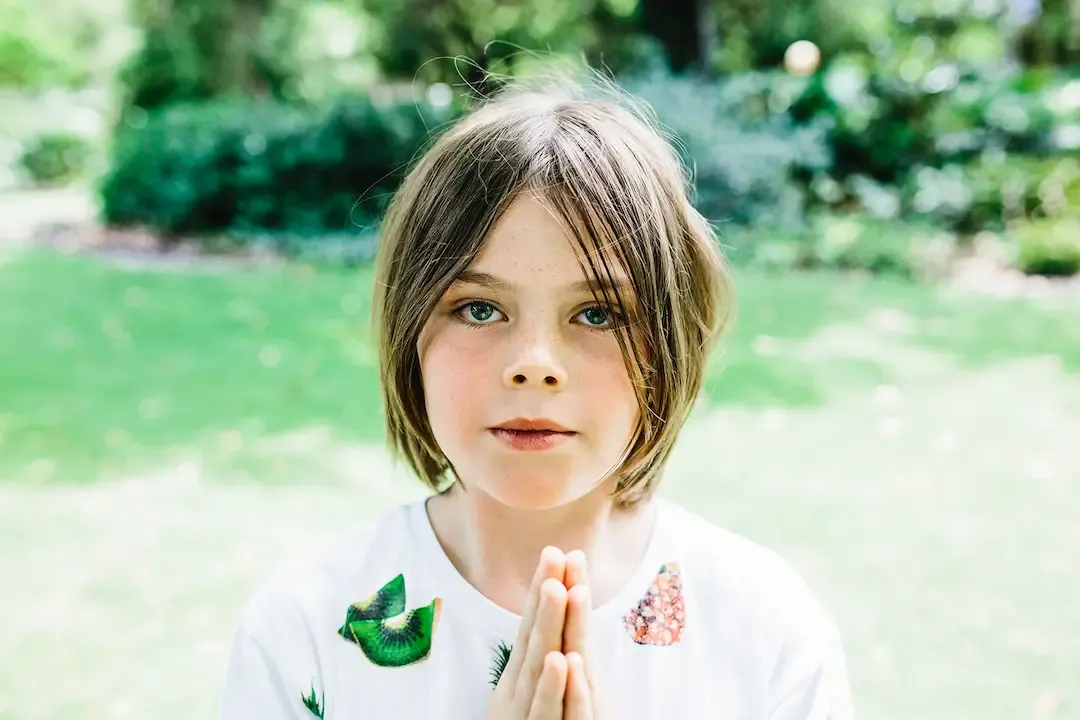
School, friendships, family and social pressures can all affect young people's wellbeing. Emerging evidence suggests that mindfulness-based interventions may improve stress, anxiety, depressive symptoms and quality of life in children and adolescents, in both clinical and non-clinical groups4.
A review of yoga in children and adolescents also found it was generally associated with reduced anxiety and depression symptoms, across different health statuses and types of program5.
Yoga is a natural fit for young people. Rather than asking children to sit still and meditate, it brings mindfulness into movement, breathing and body awareness.
Yoga for emotion regulation in children
Research suggests that group mindfulness programs appear most effective for improving emotional regulation in children when sessions are consistent and followed up with home practice6. Like any skill, emotional awareness grows with regular practice, not just in moments of overwhelm.
Kids Yoga for attention and social skills
Research on meditation techniques used in mindfulness programs found reasonably strong evidence for improvements in children's cognitive and socio-emotional skills, such as attention and emotional awareness7.
Kids Yoga in schools
Studies of yoga in school-based and psychiatric care settings have identified potential benefits for psychiatric symptoms, self-control, relaxation and overall wellbeing8. Yoga can be adapted to suit different ages and environments.
Find out more about our research-informed yoga program for kids and teens in Perth, launching in 2027.
Does yoga help with chronic pain?
Mental and physical wellbeing are closely connected, especially for people living with chronic pain.
Research on mindfulness meditation found small reductions in pain, along with improvements in depression symptoms and quality of life9.
Emerging evidence suggests yoga may be particularly helpful for some types of pain, including lower back and neck pain. Some studies also report improvements in mood and quality of life, though results vary across studies10.
Yoga for women's health: menopause, endometriosis and pregnancy
Yoga for Menopause
A systematic review and meta-analysis of 13 randomised controlled trials found that yoga reduced psychological, physical, vasomotor (hot flush) and urogenital menopausal symptoms, with effects similar to other forms of exercise11. Yoga and mindfulness can be supportive practices alongside appropriate healthcare.
Yoga for Endometriosis
Endometriosis can involve persistent pelvic pain that affects both quality of life and emotional wellbeing. Research into pain-focused psychological approaches, including mindfulness, suggests potential benefits for pain management12. A 2025 review of non-drug therapies for endometriosis-related pelvic pain also found possible benefits for pain reduction13.
Watch Dr Jean Byrne's talk on yoga for pelvic pain and endometriosis.
Yoga for Pregnancy
An overview of systematic reviews found that most meta-analyses showed prenatal yoga reduced anxiety, depression and stress more than control interventions. However, the reviews themselves were rated as low in methodological quality14. If you're pregnant, choose a teacher qualified in prenatal yoga and talk to your healthcare provider about any concerns.
Read more in our post on yoga and family life, including kids and pregnancy yoga.
Can yoga support recovery from substance use?
Research on yoga-derived breathwork and meditation as part of an integrative approach to substance use disorders has discussed potential benefits for quality of life, wellbeing, functioning and substance-use behaviours15. These practices can be one tool within a broader recovery plan, alongside professional and clinical support.
Understanding the evidence: limitations and what they mean
The research into yoga and mindfulness is encouraging, but it's still emerging, and many studies have limitations. These include:
- small sample sizes and variable study design
- different styles of yoga or mindfulness, from gentle breathing to vigorous practice
- differences in how long and how often people practised
- varied comparison groups and outcomes
Yoga isn't one standardised treatment, so studies are hard to compare directly. Several reviews have also rated the certainty of evidence as low or very low for some outcomes, including chronic pain, pregnancy and pelvic pain.9,13,14 Larger, well-designed studies are needed to understand which practices help most, for whom, and in what circumstances.
Yoga and mindfulness are intended as complementary care. They can be a valuable part of looking after your wellbeing, but they are not a replacement for medical, psychological or other professional treatment. If you're managing a health condition, keep your GP or health team involved.
Healing Hatha: yoga informed by clinical research
At The Yoga Space, we don't just read the research, we help create it. We deliver clinical research trials that explore how yoga can make healthcare more affordable and accessible. Our Healing Hatha class draws directly on what we've learned from that work.
Healing Hatha is a gentle, trauma-informed class that brings together the elements the research points to: mindful movement, breath awareness and deep relaxation. It's designed to help you settle your nervous system, reconnect with your body and build a practice you can sustain.
It's suitable for beginners, people returning to yoga, and anyone managing stress, anxiety, low mood or pain. Healing Hatha is taught at our West Perth yoga school and online. Every class is led by teachers with extensive yoga therapy training.
Finding a yoga practice that works for you
There's no single right way to practise. Some people love coming to yoga classes in Perth, while others prefer the flexibility of online yoga at home. What matters most is finding an approach that feels accessible and sustainable for you.
If you're new to yoga or have been advised to start by your doctor, physio or psychologist, our New Student Journey includes a private class to help you begin with confidence.
One breath. One movement. One moment at a time.
Related reading
- It is hard to be OK: Yoga and mental health
- The Kids are Not Alright: 8 ways to help kids' mental health
- Real change isn't about catharsis
Frequently asked questions
Is yoga good for mental health?
Emerging evidence suggests yoga and mindfulness may help reduce symptoms of depression, anxiety and stress, particularly as a complement to professional care.
What type of yoga is best for anxiety?
Studies use many different styles, so no single style has been proven best. Many people find slower practices that focus on breath and relaxation, such as gentle hatha, restorative or yin yoga, a good place to start.
How often should I practise yoga for mental health benefits?
Research programs vary, but regular, consistent practice appears to matter more than intensity. Even short sessions a few times a week can help build the habit.
Can yoga replace therapy or medication?
No. Yoga and mindfulness are complementary practices and are best used alongside, not instead of, professional psychological or medical treatment.
Where can I do research-informed yoga in Perth?
The Yoga Space is a yoga school in West Perth and online, offering trauma-informed, research-informed classes, including Healing Hatha. See our class timetable to find a class that suits you.
Need support?
This article is for general information only and isn't a substitute for medical or psychological advice. Yoga and mindfulness are complementary practices and are not a replacement for professional care.
- In an emergency, or if you or someone else is at immediate risk, call 000.
- Lifeline (24/7 crisis support): 13 11 14
- Beyond Blue: 1300 22 4636
- Kids Helpline (ages 5–25): 1800 55 1800
For ongoing support, speak with your GP about a mental health care plan.
Information compiled by Dr Jean Byrne (PhD, E-RYT 500), co-founder of The Yoga Space and yoga researcher. Read about our research →
References
- Goldberg, S. B., Tucker, R. P., Greene, P. A., Davidson, R. J., Wampold, B. E., Kearney, D. J., & Simpson, T. L. (2018). Mindfulness-based interventions for psychiatric disorders: A systematic review and meta-analysis. Clinical Psychology Review, 59, 52–60. https://doi.org/10.1016/j.cpr.2017.10.011
- Moosburner, A., Cramer, H., Bilc, M., Triana, J., & Anheyer, D. (2024). Yoga for depressive disorder: A systematic review and meta-analysis. Depression and Anxiety, 2024(1), Article 6071055. https://doi.org/10.1155/da/6071055
- Cramer, H., Lauche, R., Anheyer, D., Pilkington, K., de Manincor, M., Dobos, G., & Ward, L. (2018). Yoga for anxiety: A systematic review and meta-analysis of randomized controlled trials. Depression and Anxiety, 35(9), 830–843. https://doi.org/10.1002/da.22762
- Kallapiran, K., Koo, S., Kirubakaran, R., & Hancock, K. (2015). Review: Effectiveness of mindfulness in improving mental health symptoms of children and adolescents: A meta-analysis. Child and Adolescent Mental Health, 20, 182–194. https://doi.org/10.1111/camh.12113
- James-Palmer, A., Anderson, E. Z., Zucker, L., Kofman, Y., & Daneault, J.-F. (2020). Yoga as an intervention for the reduction of symptoms of anxiety and depression in children and adolescents: A systematic review. Frontiers in Pediatrics, 8, Article 78. https://doi.org/10.3389/fped.2020.00078
- Rowland, G., Hindman, E., & Hassmén, P. (2023). Do group mindfulness-based interventions improve emotion regulation in children? A systematic review. Journal of Child and Family Studies, 32(5), 1294–1303. https://doi.org/10.1007/s10826-023-02544-w
- Filipe, M. G., Magalhães, S., Veloso, A. S., Costa, A. F., Ribeiro, L., Araújo, P., Castro, S. L., & Limpo, T. (2021). Exploring the effects of meditation techniques used by mindfulness-based programs on the cognitive, social-emotional, and academic skills of children: A systematic review. Frontiers in Psychology, 12, Article 660650. https://doi.org/10.3389/fpsyg.2021.660650
- Kerekes, N., Söderström, A., Holmberg, C., & Ahlström, B. H. (2024). Yoga for children and adolescents: A decade-long integrative review on feasibility and efficacy in school-based and psychiatric care interventions. Journal of Psychiatric Research, 180, 489–499. https://doi.org/10.1016/j.jpsychires.2024.11.016
- Hilton, L., Hempel, S., Ewing, B. A., Apaydin, E., Xenakis, L., Newberry, S., Colaiaco, B., Maher, A. R., Shanman, R. M., Sorbero, M. E., & Maglione, M. A. (2017). Mindfulness meditation for chronic pain: Systematic review and meta-analysis. Annals of Behavioral Medicine, 51(2), 199–213. https://doi.org/10.1007/s12160-016-9844-2
- Crevelário de Melo, R., Ribeiro, A. Â. V., Luquine, C. D., Jr., de Bortoli, M. C., Toma, T. S., & Barreto, J. O. M. (2021). Effectiveness and safety of yoga to treat chronic and acute pain: A rapid review of systematic reviews. BMJ Open, 11(12), e048536. https://doi.org/10.1136/bmjopen-2020-048536
- Cramer, H., Peng, W., & Lauche, R. (2018). Yoga for menopausal symptoms—A systematic review and meta-analysis. Maturitas, 109, 13–25. https://doi.org/10.1016/j.maturitas.2017.12.005
- Samami, E., Shahhosseini, Z., Khani, S., & Elyasi, F. (2023). Pain-focused psychological interventions in women with endometriosis: A systematic review. Neuropsychopharmacology Reports, 43(3), 310–319. https://doi.org/10.1002/npr2.12348
- da Silva Dantas, H., de Oliveira, M. C., da Silva, T. C. L. A., de Oliveira, J. M. P., de Carvalho, M. L. A. S., & Micussi, M. T. A. B. C. (2025). Efficacy of non-pharmacological therapies in chronic pelvic pain of endometriosis: A systematic review and meta-analysis. Journal of Gynecology Obstetrics and Human Reproduction, 54(9), 103006. https://doi.org/10.1016/j.jogoh.2025.103006
- Villar-Alises, O., Martinez-Miranda, P., & Martinez-Calderon, J. (2023). Prenatal yoga-based interventions may improve mental health during pregnancy: An overview of systematic reviews with meta-analysis. International Journal of Environmental Research and Public Health, 20(2), 1556. https://doi.org/10.3390/ijerph20021556
- Krishnan, A. (2024). Integrative treatment for substance use disorders: Improving outcomes through evidence-based practice of yoga-derived breathwork and meditation. Journal of Addiction Medicine, 18(2), 103–109. https://doi.org/10.1097/ADM.0000000000001263
